
Understanding Margins and Pricing in Food & Beverage Markets
Margins determine profitability and pricing determines competitiveness.
For Food and Beverage brands, understanding both is essential.
What are margins?
Margin is the difference between revenue and cost.
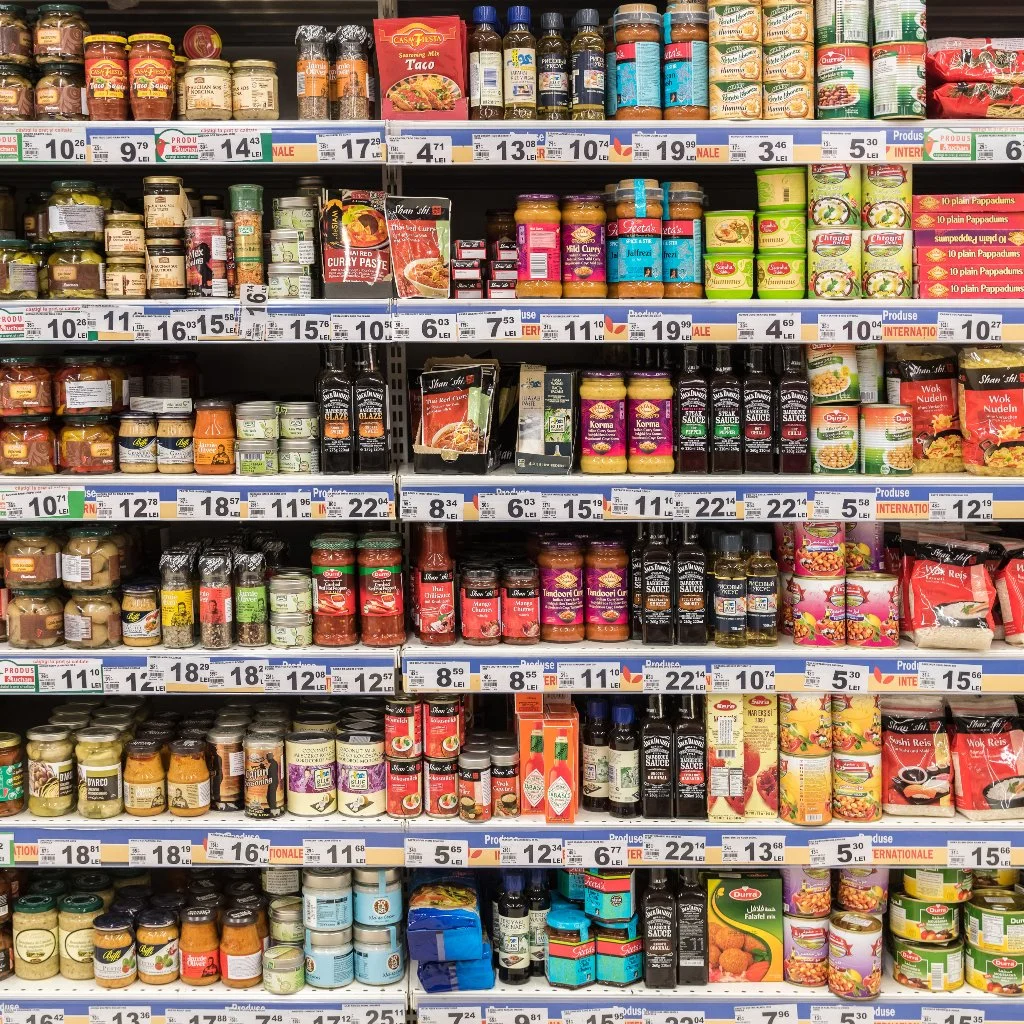
Healthy margins allow brands to:
- Reinvest in growth
- Fund marketing
- Support operations
- Sustain profitability
Low margins create financial pressure in a market where, many times, brands are forced to "pay to play".
Strategy must protect profitability and setting up the right margins in your price is key from the start as, changing your price in retail is not always easy and, takes time.
Pricing influences:
- Consumer perception
- Competitive positioning
- Retail relationships
- Revenue potential
Pricing too low can erode value and pricing too high can reduce demand. Balance is key!
Cost Structure impacts margins. Food and beverage products include raw materials, production costs, packaging, logistics, marketing.
Each component affects profitability and efficiency improves margins.
Retail channels often require:
- Distributor margins
- Retail margins
- Marketing investments
These factors influence pricing and brands must plan strategically.
Understanding channel economics before you launch in the market is essential.
Brands can enhance profitability by:
- Optimizing production
- Reducing waste
- Improving packaging efficiency
- Scaling operations
- Refining pricing strategies
Small improvements compound over time and profitability enables growth.
Key Takeaway:
Margins and pricing shape business success.
Food and beverage brands must:
- Understand costs
- Price strategically
- Optimize operations
- Protect profitability
Data-driven decisions always improve outcomes!